
Thousands with a common health complaint could be eligible for an under-claimed benefit worth more than £114.60 a week The Attendance Allowance helps with extra costs if a person, who has reached State Pension age, has a disability or health condition severe enough that they need someone to help look after them.
There are two rates at which the Department of Work and Pensions (DWP) pays out the benefit, with the higher capped at £114.60 for 2026/27, an increase from the 2025/26 higher rate of £110.40.
The lower amount people can be eligible for is £76.70 per week for 2026/27, which is an increase from £73.90 for the previous financial year. A person will receive the higher rate if they need help or supervision during the day and at night, or if they're terminally ill. The lower rate is paid out if someone needs frequent help or if they need constant supervision during the day, or supervision at night.
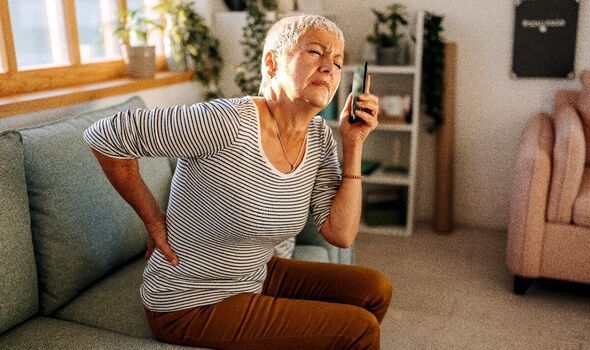
Conditions which fall under the scope of the benefit, include long term health complications such as severe back pain, where someone needs help dressing or moving around their home.

According to the DWP, as of February 2025, there were 1.9 million Attendance Allowance (AA) claimants across Great Britain, an increase of 140,000 from February 2024. The DWP said 120,000 people were entitled to the benefit but not receiving payment.
It's important to note, applying for Attendance Allowance does not reduce any existing benefits someone may be receiving, and it could could even increase them. According to Carers UK, if someone you care for receives Attendance Allowance, you may be able to apply for additional financial support too, such as Carer's Allowance
Are you eligible to claim Attendance Allowance?
You can get Attendance Allowance if you've reached State Pension age and the following apply:
- you have a physical disability (including sensory disability, for example blindness), a mental disability (including learning difficulties), or a health condition
- your disability or health condition is severe enough for you to need help caring for yourself or someone to supervise you, for your own or someone else's safety
- you have needed that help for at least 6 months

There are different eligibility rules if you're nearing the end of life (for example, due to a life-limiting illness). You might be able to get Attendance Allowance more quickly and at a higher rate.
You must also:
- be in Great Britain when you claim - there are some exceptions, such as members and family members of the armed forces
- have been in Great Britain for at least 2 of the last 3 years (this does not apply if you're a refugee or have humanitarian protection status)
- be habitually resident in the UK, Ireland, Isle of Man or the Channel Islands
- not be subject to immigration control (unless you're a sponsored immigrant)
- not get Disability Living Allowance (DLA), Personal Independence Payment (PIP), Adult Disability Payment (ADP), Scottish Adult Disability Living Allowance (SADLA) or Armed Forces Independence Payment (AFIP)
Those people living in Scotland will need to apply for Pension Age Disability Payment instead of Attendance Allowance.
If you're in a care home
You cannot usually get Attendance Allowance if you live in a care home and your care is paid for by your local authority. You can still claim Attendance Allowance if you pay for all your care home costs yourself.
If you need an assessment
You'll only need to attend an assessment to check your eligibility if it's unclear how your disability or health condition affects you. If you do need an assessment you'll get a letter saying why and where you must go. During the assessment, a medical professional will need to examine you.
How to claim?
If you are of State Pension age and think you might be able to claim, visit the Government website here.If you live in Scotland you may be able to access support here.
Contact to : xlf550402@gmail.com
Copyright © boyuanhulian 2020 - 2023. All Right Reserved.