People who suffer sunburn around once every two years are three times more likely to be diagnosed with melanoma skin cancer than those who have never been sunburned. With cases recently reaching a record high of more than 18,000 per year, a skincare expert has set out everything you need to know to stay safe this spring and summer. Dermatologist Dr Nora Jaafar told the Express: "One of the most harmful myths I encounter is that sun protection is only necessary on holiday or in summer which simply isn't true.
"UV radiation is present year-round in the UK, and UVA rays in particular can penetrate cloud cover and glass, meaning you're being exposed even on a grey January day at your desk by a window. I recommend daily SPF as a non-negotiable part of your morning routine, regardless of the season. Cumulative UV exposure over years is one of the leading drivers of premature skin ageing and skin cancer, and the impact is faster than most people realise."
UVA causes skin aging and long-term damage, while UVB is the type responsible for burning. The sun protection factor (SPF) number on a bottle of sunscreen measures how well it protects against UVB rays.
Dr Jaafar explained: "The number tells you how much longer you can stay in the sun before burning, compared to wearing no protection at all. So, SPF 30 means it would theoretically take 30 times longer for your skin to burn. In real life however, factors like sweating, swimming and simply not applying enough all reduce that protection significantly so it is essential to apply more than normal in those situations."
Dr Jaafar, who recently launched a #SkinSpringing reset collection with high street retailer Superdrug that includes daily SPF, recommended an absolute minimum of 30 SPF.
She added: "For prolonged outdoor exposure or if you have a history of skin cancer, SPF 50 or above is the right choice.
"Skin tone also matters - fairer skin burns more quickly and needs higher protection, but I want to be clear that darker skin tones are not immune to UV damage and still benefit from daily SPF.

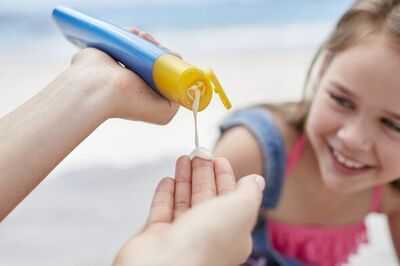
"The best sun protection is ultimately the one you'll actually use consistently and apply in sufficient quantity: most people apply far less than is needed to achieve the stated SPF. A generous application to all exposed skin, reapplied every two hours outdoors is recommended."
You should also look for a symbol on products indicating UVA protection - the NHS recommends looking for at least 4 star UVA protection.
Dr Jaafar added: "SPF claims can vary dependent on where you are. For example, in the UK, sunscreens are regulated as cosmetic products, which means the testing standards can vary and a product labelled SPF 50 may not always deliver that in practice.
"I always advise my patients to look for products that carry a UVA star rating alongside the SPF number, as that gives you a fuller picture of the protection on offer."
Contact to : xlf550402@gmail.com
Copyright © boyuanhulian 2020 - 2023. All Right Reserved.