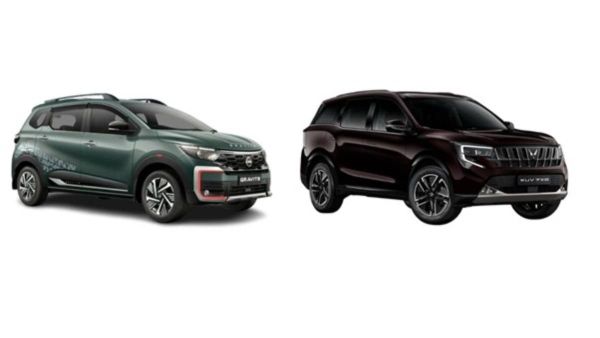
For family car buyers, the decision is no longer just about seating capacity. Today, it’s about how well a vehicle adapts to everyday life—balancing space, comfort, flexibility, and driving experience. This is where the debate between SUVs like the Mahindra XUV 7XO and MPVs like the Nissan Gravite becomes relevant.
Both offer three-row seating, but they approach family mobility in very different ways.
Understanding the Core Difference
At a basic level:
- SUVs are designed as all-rounders, combining space with performance and road presence
- MPVs are built primarily for people-moving efficiency and practicality
This difference shapes how each vehicle fits into a family’s daily needs.
Space vs Smart Space
Space is often the biggest factor for family buyers—but how that space is used matters even more.
The Nissan Gravite focuses on smart space utilisation. It offers multiple modular seating configurations, allowing the cabin to effortlessly adapt to passenger and cargo needs.
This means:
- You can switch between 7-seater, 6-seater, or even cargo-focused layouts
- It works equally well for daily errands and long trips
In contrast, the XUV 7XO focuses on a structured space with flexibility, offering three-row seating designed for comfort and versatility, along with a premium cabin layout.
Comfort for All Passengers
Comfort is where MPVs traditionally have an edge.
The Gravite is designed around the idea of “togetherness,” offering:
- Generous headroom and knee room for all rows
- Dedicated AC vents for the second and third rows
- Comfortable seating designed for long journeys
This makes it particularly suitable for larger families who prioritise passenger comfort.
SUVs like the Mahindra XUV 7XO, however, are closing this gap. With features like premium interiors, ventilated seats, and multi-zone climate control, they now offer a more luxurious experience across all rows.
Driving Experience: A Key Differentiator
One of the biggest differences lies in how these vehicles drive.
SUVs offer:
- Higher driving position
- Better visibility
- More powerful engine options and road confidence
The XUV 7XO, for example, is built with advanced suspension systems and a strong structural design, focusing on both comfort and dynamic performance.
MPVs, on the other hand, prioritise ease and smoothness.
The Gravite is tuned for:
- Stable and predictable driving
- Comfort over performance
- Ease of handling in city conditions
This makes MPVs more relaxed to drive, especially in urban environments.
Practicality in Everyday Use
When it comes to daily usability, MPVs often have an advantage.
The Gravite’s modular cabin allows it to:
- Carry passengers one day and luggage the next
- Adapt to changing family needs
- Offer better access to the third row
Its relatively compact dimensions (under 4 metres in length) also make it easier to manage in city traffic.
SUVs, while versatile, tend to be:
- Larger and heavier
- Slightly less flexible in seating configurations
However, they compensate with better adaptability to different road conditions.
Road Presence and Perception
SUVs have a clear advantage in road presence.
The XUV 7XO’s bold design, upright stance, and premium styling give it a strong visual identity on the road.
MPVs like the Gravite, while stylish, prioritise function over form. Their design prioritises interior space and usability over aggressive styling.
For many buyers, this becomes a psychological factor:
- SUV = aspirational and premium
- MPV = practical and family-focused
Technology and Features
Both segments now offer advanced features.
The Gravite includes:
- Touchscreen infotainment with smartphone connectivity
- Digital instrument cluster
- Safety features like 6 airbags and electronic stability control
The XUV 7XO takes a more premium approach with:
- Large digital displays
- Advanced connected features
- Enhanced in-car entertainment and audio systems
This shows that while MPVs focus on essential functionality, SUVs often push towards a more feature-rich experience.
Cost and Ownership Thinking
MPVs are generally more cost-efficient.
The Gravite emphasises:
- Lower maintenance costs
- Practical ownership experience
- Value-focused features
SUVs, while offering more features and performance, often cost more.
This creates a clear trade-off between:
- Value and efficiency (MPV)
- Experience and versatility (SUV)
Role of Digital Platforms in Decision-Making
With so many factors to consider, online car-buying platforms like ACKO Drive help buyers compare SUVs and MPVs based on real-world needs, features, and ownership costs.
This allows families to make decisions that go beyond just seating capacity.
Final Thoughts
So, what works better for family car buyers—an SUV or an MPV?
- Choose an MPV like the Nissan Gravite if you prioritise space efficiency, flexibility, and passenger comfort
- Choose an SUV like the Mahindra XUV 7XO if you want versatility, road presence, and a more premium driving experience
Ultimately, the decision comes down to how you plan to use the car.
In today’s market, both body styles serve a purpose—and the right choice is the one that best fits your family’s lifestyle.
Contact to : xlf550402@gmail.com
Copyright © boyuanhulian 2020 - 2023. All Right Reserved.